A Complete Guide for Landscapers, Contractors & Property Owners


When choosing trees for a landscape project, one of the most common questions is:
“Should I choose a field-grown (B&B) tree or a container-grown tree?”
At Uxbridge Nurseries, we specialize in large-caliper field-grown trees, but both types have advantages depending on the project. This guide explains the differences in structure, cost, performance, and long-term success—so you can make the right choice every time.
🌱 1. What Are Field-Grown Trees?
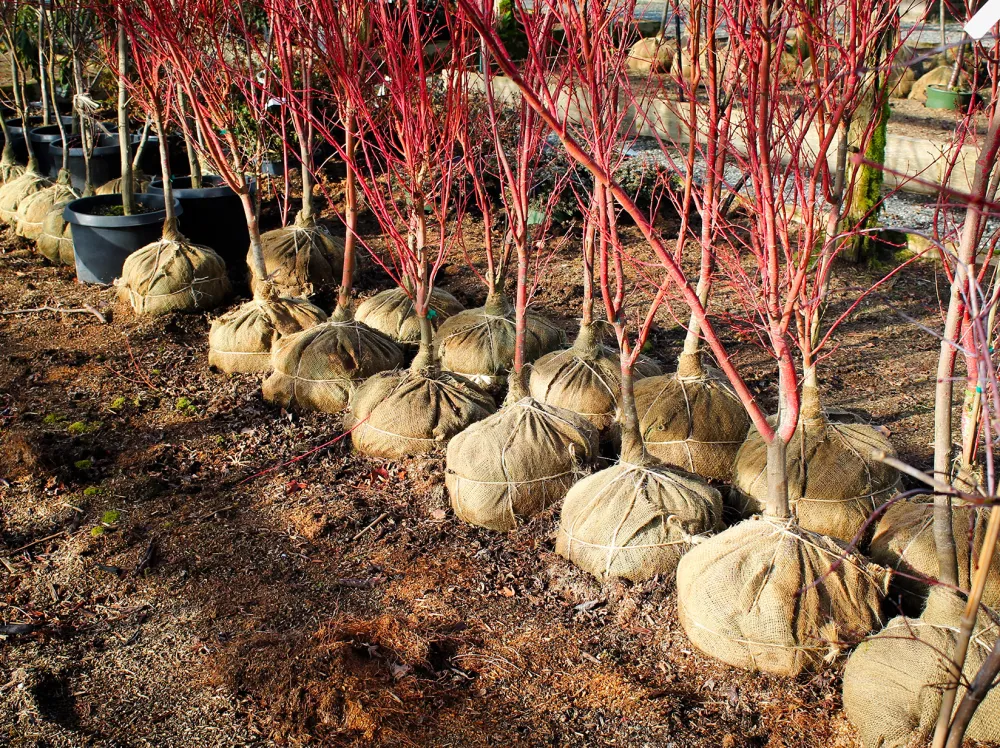
Field-grown trees are planted directly in the ground and cared for outdoors until harvest.
When they reach the desired size, they are dug using a tree spade, creating a secure Ball & Burlap (B&B) root ball.
Characteristics of Field-Grown Trees (B&B):
- Grown naturally in soil
- Stronger anchoring root systems
- Thicker calipers and sturdier trunks
- Natural weather conditioning
- Available in larger sizes (2”–6” caliper and up)
- Harvested with burlap & wire baskets
These are the trees we grow across our six farms in Uxbridge.
🪴 2. What Are Container-Grown Trees?
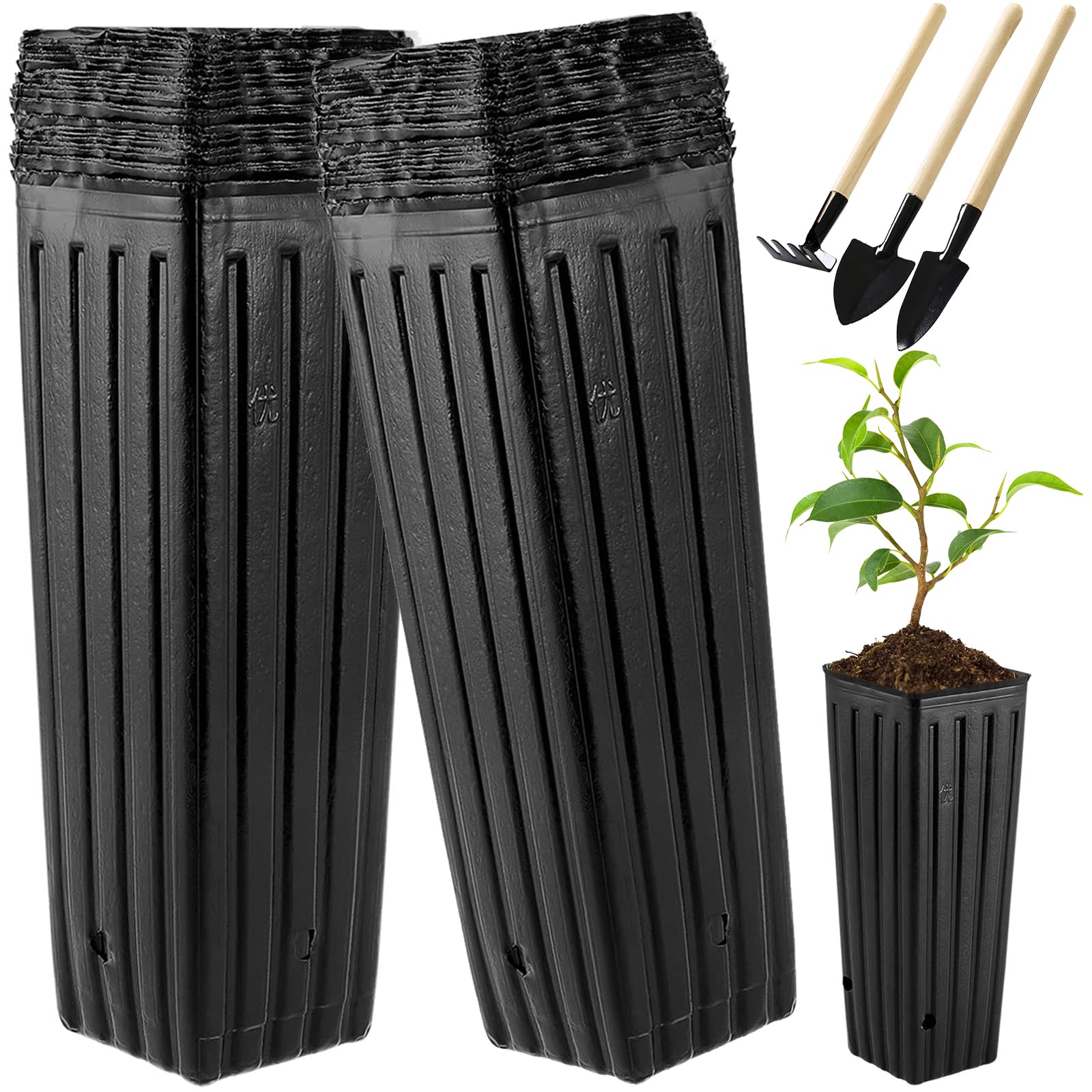
Container trees are grown in pots from the beginning. They are lightweight, portable, and ideal for homeowner garden centers or small projects.
Characteristics of Container-Grown Trees:
- Grown entirely in plastic pots
- Typically smaller in size
- Easier for retail customers to lift
- Good root density if grown properly
- Often cheaper and readily available
However, they have different structural characteristics compared to field-grown trees.
🏋️ 3. Strength & Stability: Field-Grown Leads the Way


✔ Field-Grown Advantage:
Field-grown trees develop deep, wide-spreading lateral roots because they’re anchored in real soil.
This results in:
- Stronger wind resistance
- Better stability in storms
- Faster establishment after transplanting
- More predictable long-term growth
✔ Container Tree Limitation:
Container trees develop circular or circling roots due to the pot shape.
This may cause:
- Girdling roots
- Poor anchoring
- Long-term structural issues
- Slower acclimation to soil after planting
For large commercial or municipal projects, field-grown trees are the clear winner.
📏 4. Size Options: Field-Grown Trees Offer Larger Calipers
Field-Grown Trees:
- Commonly grown in 2” to 6”+ caliper
- Ideal for boulevards, estates, commercial projects, and city plantings
- Provide instant impact and shade
Container Trees:
- Typically ¾” to 1.5” caliper
- Best for small yards or garden center sales
- Good for homeowners planting on weekends
If a project needs a mature, immediate landscape presence, field-grown is essential.
🕒 5. Transplant Shock: Which Tree Adapts Better?
🌳 Field-Grown Trees (B&B):
- Experience very low transplant shock when planted correctly
- Have well-protected root balls
- Perform especially well in tough urban soils
🪴 Container Trees:
- Often stressed by circling roots
- Roots may not spread easily into native soil
- Require more frequent watering at first
Field-grown trees generally establish faster and grow more predictably.
🌦️ 6. Weather Conditioning: Field-Grown Trees Are Hardier
Because they grow outdoors year-round, field-grown trees:
- Develop natural cold tolerance
- Strengthen through sun, wind, and rain
- Adjust better to Ontario’s freeze–thaw cycles
Container trees grown in greenhouses or sheltered areas lack this natural conditioning, making them more sensitive when first planted.
💧 7. Watering & Maintenance: Important Differences
Field-Grown Trees:
- Require consistent watering during the first season
- Less likely to dry out due to large root ball mass
- Stable and harder to knock over
Container Trees:
- Dry out quickly
- Need more frequent watering
- Lightweight and easier to damage
For high-traffic sites or commercial landscapes, field-grown trees are more durable.
💵 8. Cost Comparison: Upfront vs Long-Term Value
| Feature | Field-Grown (B&B) | Container-Grown |
|---|---|---|
| Initial Cost | Higher | Lower |
| Survival Rate | Higher | Moderate |
| Replacement Costs | Very low | Can be higher |
| Labour to Plant | Heavier, requires equipment | Light, can be DIY |
| Long-Term Value | Excellent | Good for small scale |
While field-grown trees cost more upfront, they deliver far better long-term performance, especially for professional projects.
🏗️ 9. Best Uses for Each Type
🟩 Field-Grown Trees (B&B) – Best for:
- Commercial properties
- Municipal boulevards
- New subdivisions
- Estate homes
- Large-scale landscaping
- Parks and public spaces
- High-wind or exposed sites
🟦 Container Trees – Best for:
- Homeowner gardens
- Small residential lots
- Budget-conscious projects
- Temporary landscaping
- Seasonal garden center sales
🌲 10. Why Uxbridge Nurseries Specializes in Field-Grown Trees
Across our six farms, we grow thousands of field-grown trees because they offer:
- Stronger structure
- Better predictability
- Greater value to contractors & cities
- Superior survival in Ontario climates
- Larger, landscape-ready sizes
Our Ball & Burlap process follows strict industry standards, ensuring premium quality from field to customer.
🧾 Conclusion: Which Should You Choose?
If your goal is strength, durability, and long-term performance, field-grown trees are the best investment—especially for professional landscapes.
If you need a small, affordable, easy-to-move tree, container stock may be the right fit.
Either way, understanding the differences helps ensure your project succeeds from the start.
