

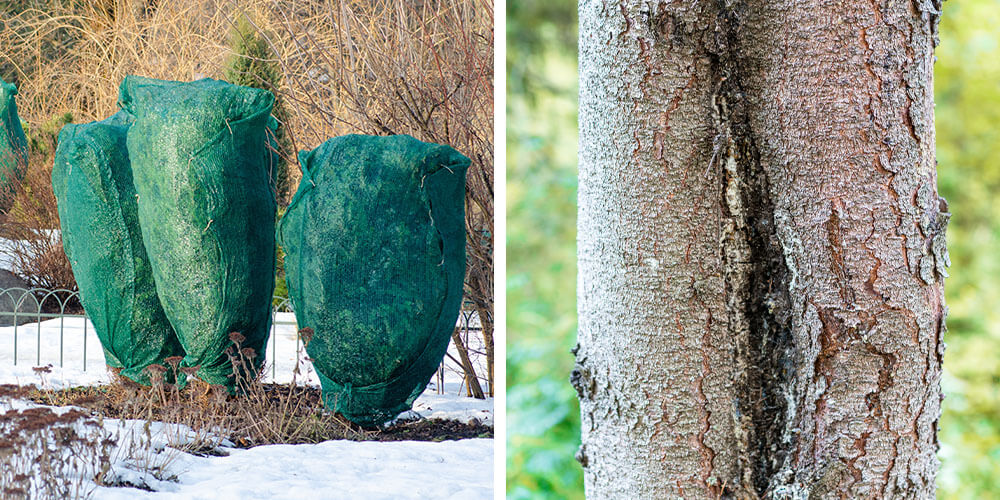
Ontario winters can be tough on trees—especially newly planted ones. Cold winds, heavy snow, fluctuating temperatures, and road salt all affect how well a tree survives until spring. Whether you’re a landscaper, contractor, municipality, or property owner, proper winter care helps protect your investment.
At Uxbridge Nurseries, we grow thousands of field-grown trees across our six farms, and these are the exact winter care strategies we recommend to keep your trees healthy and thriving.
🌿 1. Water Trees Deeply Before the Ground Freezes
One of the most important but overlooked steps:
Give your trees a deep, final watering in late fall.
Why it matters:
- Trees continue to lose moisture during winter
- Frozen soil prevents roots from absorbing water
- Newly planted trees are at the highest risk of winter drought
✔ Recommended:
- Water slowly and deeply
- Saturate the root zone
- Mulch afterward to lock in moisture
Established trees benefit too—especially evergreens.
🧱 2. Add Mulch to Protect Roots From Freeze–Thaw Cycles
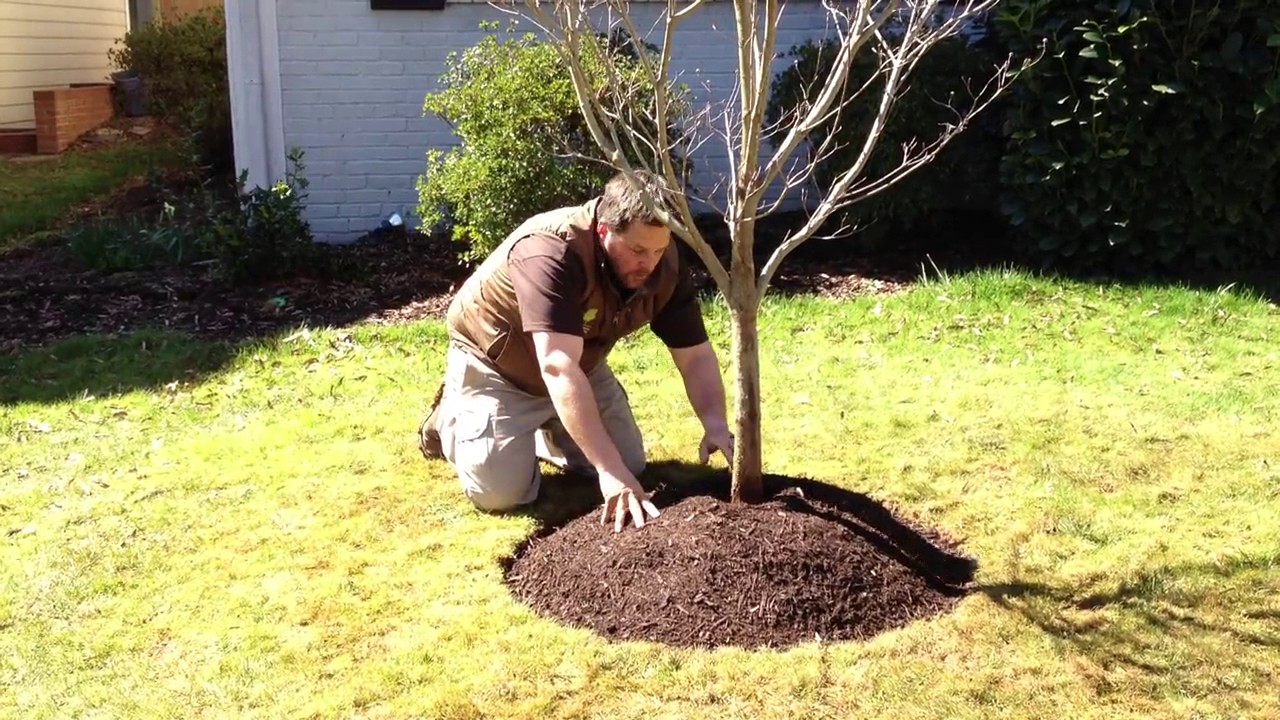

Mulch insulates the soil, keeping temperatures more consistent throughout winter.
✔ How to mulch properly
- Apply 3–4 inches of mulch
- Use natural mulch (wood chips, shredded bark)
- Keep mulch away from the trunk (no volcano mulching!)
Benefits:
- Prevents root freezing
- Reduces soil heaving
- Helps retain moisture
🌬️ 3. Protect Trees From Winter Windburn
Windburn affects both evergreens and young deciduous trees.
✔ Use Burlap Wrapping for:
- Cedars (very prone to drying out)
- Spruce or pines in exposed locations
- Newly planted ornamental trees
- Any tree near open fields or strong wind corridors
✔ Proper method
- Drive in three stakes
- Wrap burlap around the stakes (NOT directly on branches)
- Create a breathable wind barrier
This prevents needle browning and branch desiccation.
🧊 4. Prevent Sunscald and Frost Cracks on Young Trees
Young trees with thin bark—like maples, fruit trees, and ornamental species—can develop sunscald in winter.
✔ Solution:
Wrap trunks with white tree guards or paper tree wrap from late fall to early spring.
Why it works:
- Reflects sunlight
- Prevents bark splitting
- Reduces temperature stress on the trunk
This is especially important for newly planted field-grown trees.
🧂 5. Protect Trees From Road Salt Damage
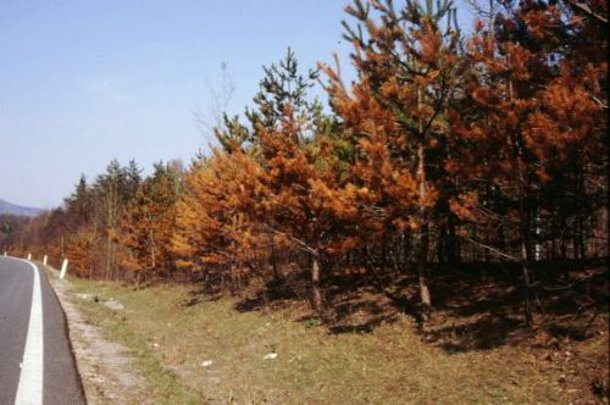
Road salt can cause:
- Browning
- Needle burn
- Poor spring growth
- Soil contamination
✔ To reduce salt exposure:
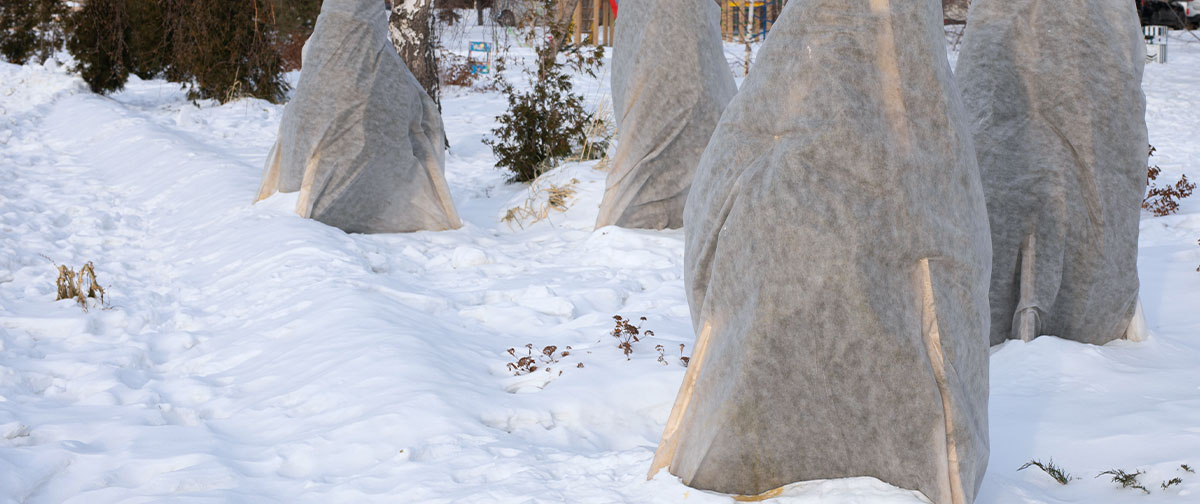
- Use burlap screens
- Avoid piling salted snow near tree bases
- Flush soil in spring with plenty of water
Good salt-tolerant species include:
- Honeylocust
- Ginkgo
- Norway Maple
- Kentucky Coffeetree
- Swamp White Oak
🌾 6. Avoid Heavy Snow Damage (Especially On Evergreens)
Snow and ice can weigh down branches, causing breakage.
✔ DO:
- Gently brush snow off branches in one direction
- Use a soft broom or arms only
- For hedges (cedars), wrap loosely with twine before winter
✘ DO NOT:
- Shake frozen branches
- Use tools to knock off ice
- Break apart frozen snow chunks
Let ice melt naturally—breaking it can cause more harm.
🦌 7. Protect Trees From Wildlife (Rabbits, Voles, Deer)
Winter wildlife can cause major damage to bark and lower branches.
✔ Protection options:
- Plastic spiral guards
- Hardware cloth around the trunk
- Deer fencing for sensitive species
- Odor repellents (needs reapplying)
Especially protect:
- Fruit trees
- Young maples
- Cedars (deer love them)
🌲 8. Choose Hardy Trees for Ontario Winters
Field-grown trees from Uxbridge Nurseries are naturally conditioned to the elements.
Top winter-hardy species include:
- Norway Spruce
- Colorado Blue Spruce
- White Cedar
- Austrian Pine
- Red Maple
- Swamp White Oak
- Honeylocust
- Linden
These species handle Ontario’s winter conditions with minimal stress.
🛠️ 9. Post-Winter Inspection: What to Look For in Spring
As soon as snow melts, check for:
- Split bark
- Winter burn on evergreens
- Broken branches
- Soil upheaving around new plantings
- Salt damage
- Animal chewing
Early detection = easier recovery.
🧾 Final Thoughts: Winter Prep = Stronger, Healthier Trees
Winter can be harsh, but proper preparation helps ensure your trees thrive when spring arrives.
Whether you’re managing residential properties, commercial sites, or municipal boulevards, these steps make a significant difference in tree health.
At Uxbridge Nurseries, our field-grown trees are naturally conditioned for Ontario winters, but all newly planted trees still benefit from proper protection during their first 1–2 winters.
If you need guidance for a specific species or planting site, we’re happy to assist.
